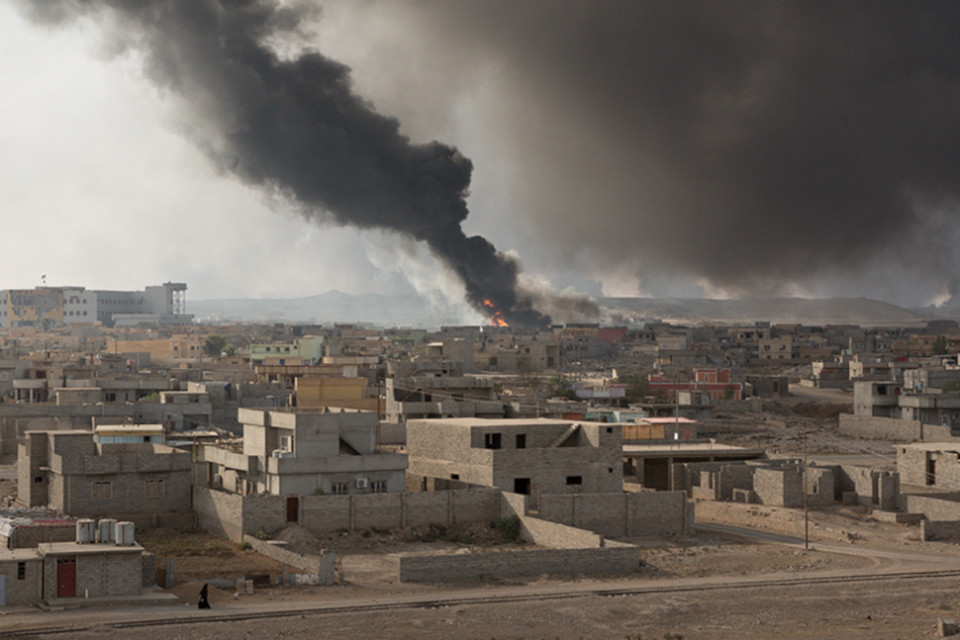
Frequent regional wars between different countries cause severe environmental damage through bombings and military operations, destroying forests, wetlands, and agricultural lands. Explosions and the use of chemical weapons release toxic substances into the air, soil, and water, leading to long-term pollution. Oil spills and the burning of fuel reserves significantly increase air and marine pollution. Wildlife habitats are damaged, forcing animals to migrate or face extinction. The use of heavy machinery and landmines degrades soil quality and reduces agricultural productivity. Water resources become contaminated, making them unsafe for both humans and animals. Wars weaken environmental protection systems and lead to the illegal exploitation of natural resources. Post-war reconstruction puts additional pressure on already damaged ecosystems. Increased greenhouse gas emissions during wars further intensify climate change.
The World War I and World War II caused immense long-term environmental damage. During World War I, trench warfare alone devastated vast areas of land across Europe; it destroyed vegetation, compacted the soil, and accelerated soil erosion. The use of chemical weapons such as chlorine and mustard gas poisoned soil and water systems, rendering land unusable for many years. Historical analyses indicate that millions of hectares of forests were cleared for military purposes, leading to habitat loss and a decline in biodiversity. In World War II, environmental damage increased further due to industrialized warfare methods; bombing campaigns destroyed ecosystems across Europe and Asia. According to estimates by the United Nations Environment Programme, wars disrupt ecosystems, contaminate water resources, and deplete natural resources, with impacts lasting for generations. During World War II, more than 15 million tonnes of oil were released into the oceans from sunken ships, causing long-term marine pollution. The atomic bombings of Hiroshima and Nagasaki generated temperatures of around 4000°C and intense radiation, instantly destroying plant and animal life and leaving behind long-term radioactive contamination. Based on research published on ScienceDirect, a review of 193 global case studies shows that wars commonly lead to deforestation, soil degradation, and the collapse of ecosystems. Additionally, reports from the United Nations Environment Programme indicate that armed conflicts have occurred in more than two-thirds of the world’s biodiversity hotspots, posing a serious threat to conservation systems.
Major regional wars across different continents have caused large-scale environmental damage. Reports from the United Nations, International Union for Conservation of Nature, and various scientific journals clearly highlight this issue. In Asia, the Vietnam War is one of the most extensively studied examples. During this war, approximately 11–20 million gallons of herbicides such as Agent Orange were sprayed, destroying millions of hectares of forests, mangroves, and biodiversity. Around 366 kilograms of toxic dioxin were released, persisting in the environment for decades. Research shows that sprayed forests supported only about 24 bird species, compared to over 150 species in unaffected areas. In the Middle East, the Gulf War stands as one of the worst environmental disasters. During the conflict, 6–8 million barrels of oil were deliberately released into the Persian Gulf. Additionally, the burning of around 700 oil wells caused massive marine and air pollution. These events severely damaged coastal ecosystems, fisheries, and air quality. In Europe, during the Balkan Wars (1990’s), bombing of industrial sites led to the release of toxic chemicals into rivers such as the Danube River, contaminating water resources and agricultural lands. In Africa, internal conflicts in regions like Sudan and Democratic Republic of the Congo have led to deforestation, wildlife loss, and increased illegal exploitation of natural resources due to weak governance.
In recent times, the Russia–Ukraine War has extensively damaged forests, agricultural lands, and water infrastructure, increasing pollution and greenhouse gas emissions. Experts describe these impacts as “ecocide” (environmental destruction). Similarly, conflicts in West Asia have destroyed water resources and urban ecosystems, further intensifying environmental stress. According to the Food and Agriculture Organization, more than 40% of global food insecurity is linked to wars, as agricultural lands are either abandoned or degraded. Reports from the International Committee of the Red Cross indicate that in around 60% of conflicts, water systems are damaged, reducing access to clean water and harming aquatic ecosystems. As reports suggest, environmental recovery is often very slow or may not occur fully; some ecosystems can take decades or even centuries to regenerate. Due to America- Israel and Iran war in just the first 14 days (February 28–March 14, 2026), the conflict generated over 5 million tonnes of CO₂ emissions, exceeding the annual emissions of Iceland. The total emissions during this short period were equivalent to those of 84 countries combined, highlighting an extreme climate impact. Approximately 2.4 million tonnes of CO₂ resulted from the destruction of buildings and infrastructure alone, while oil facility fires and fuel combustion contributed an additional 1.8–2 million tonnes, along with toxic air pollutants. More than 300 environmentally harmful incidents, including oil spills, strikes, and pollution events, were recorded across the region. Overall, the conflict has released toxins, heavy metals, and pollutants into the air, water, and soil, with environmental and health impacts likely to persist for decades.
Several global conferences and initiatives have been undertaken to protect natural resources from the impacts of regional wars. The United Nations Conference on the Human Environment was among the first to recognize that armed conflicts cause severe environmental damage and laid the foundation for global action. The Earth Summit, through Agenda 21, emphasized sustainable resource management and highlighted that conflicts significantly harm ecosystems. According to the World Summit on Sustainable Development, about 40% of conflicts since 1960 have been linked to natural resources, reinforcing the need to protect ecosystems in conflict-prone regions. The United Nations Environment Programme states that more than 60% of major armed conflicts occur in biodiversity-rich areas, increasing environmental risks. The United Nations General Assembly has adopted several resolutions, including in 2016, recognizing the need to protect the environment during warfare. According to the International Committee of the Red Cross, around 50–60% of conflicts damage water infrastructure, severely affecting both the environment and human life. Although not directly focused on wars, the Paris Agreement supports conflict-affected regions by promoting sustainable resource use and climate stability. Estimates suggest that environmental recovery may take 10 to 50 years or even longer, depending on the severity of the damage.
Protecting environmental resources from regional wars requires a combination of legal, institutional, and technological measures. International laws under the United Nations should be strictly enforced to prohibit environmental destruction during armed conflicts. Countries must enter into strong agreements to safeguard critical ecosystems such as forests, wetlands, and water resources. Environmental impact assessments should be made mandatory before and after military operations. The use of harmful weapons such as chemical weapons must be completely banned and monitored by global organizations like the International Committee of the Red Cross. Protecting water infrastructure is essential to ensure access to clean water and to maintain ecological balance. Immediate funding should be allocated and implemented for post-war environmental restoration programs. Satellite monitoring and modern technologies can help detect environmental damage in real time. Local communities should be actively involved in conservation and restoration efforts. Strong governance and anti-corruption measures are necessary to prevent the illegal exploitation of natural resources during conflicts. Through global cooperation and awareness, led by organizations such as the United Nations Environment Programme, long-term environmental sustainability and peace can be achieved.
Dr. P. Subramanyachary, Professor, School of Commerce and Management, Mohan Babu University, Tirupati, PIN-517502- Mobile 8309082823