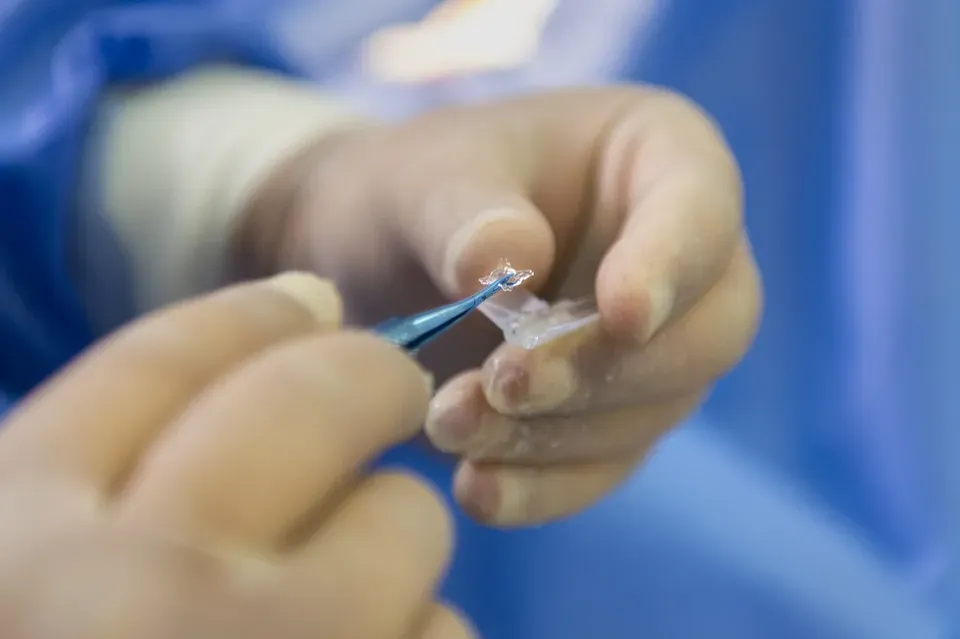
Six drug samples lifted from Kashmir have been declared “Not of Standard Quality” (NSQ) in the latest monthly drug quality surveillance report of the Central Drugs Standard Control Organisation (CDSCO).
While detection of NSQ drugs is routine, the opacity on drug samples lifted and tested by the J&K Drug and Food Control Organisation this financial year raises fresh concerns about medicine safety and regulatory oversight in J&K.
The latest CDSCO alert is part of a nationwide list and identifies 111 batches of drugs failing quality tests from various states and UTs. The assays and analyses have been conducted by central and state laboratories across the country. The medicines found NSQ are all tested at the Drug Testing Laboratory (DTL) Dalgate. These include acelophenac combinations, telmisartan-based formulations and other widely prescribed drugs. The reports pertain to May 2026.
However, what is drawing attention in J&K is not merely the presence of six substandard samples in the national list. It is the apparent absence of publicly available information on local drug surveillance.
A review of the official Drugs and Food Control Organisation (DFCO) website shows that the last publicly accessible drug testing and sampling updates are from March 2026. Since then, no monthly reports, sample-testing data, enforcement actions or surveillance summaries have been uploaded for public information.
This leaves a vacuum on whether drug samples are being collected and tested in J&K at present. If yes, how many and what has been found from quality checks? There is also a lack of information on the enforcement action that has been taken against manufacturers, distributors or retailers.
Drug quality monitoring is pegged on regular and scientific sampling from drug sources. Under the Drugs and Cosmetics Act, samples are routinely drawn from pharmacies, hospitals and distribution chains. These are to be tested in government laboratories to detect medicines that are substandard, misbranded or spurious. The CDSCO publishes monthly NSQ alerts to ensure transparency and to alert hospitals, pharmacies and patients regarding batches that are not upto the standards.
Earlier this year, the Union Health Ministry informed Parliament that nearly five lakh drug samples have been tested nationwide over the last five years. The detection of NSQ drugs demonstrates that while surveillance systems are functioning, transparency is equally important.
J&K has been updating data pertaining to drugs tested on its website. However, the recent silence and lack of updated public disclosures have created an information vacuum.
Over the years, the department has been proactively carrying out surveillance of drugs and supplies in hospitals, markets and in every nook and corner of J&K.
NSQ drugs have been found and reported to the public, and batch recalls have been made to ensure safety. Hospital supplies as well as drugs available at private pharmacies are among the samples that have failed tests over the past year.