Beyond the Campus: Education as Social Responsibility
How Livelihoods, Learning and Healthcare Strengthen Rural Communities
By Prof. (Dr.) Harsh Sadawarti Vice Chancellor, Desh Bhagat University
A university's contribution is usually measured through its graduates, research and academic achievements. However, another equally important measure lies in the lives of people living around its campus. Does it create employment opportunities for neighbouring villages? Does it empower women? Can the children of its support staff aspire to higher education and professional careers?
These questions highlight the importance of social responsibility in education. Creating opportunities to earn, learn and live with dignity can bring lasting change to families and communities.
For Desh Bhagat University, this responsibility is closely connected with the communities around Amloh and Mandi Gobindgarh. Over approximately three decades, from the establishment of the Desh Bhagat Group to its evolution into a university in 2012, its growth has created employment and educational opportunities for people from surrounding rural areas, including economically disadvantaged families.
Under the leadership of Chancellor Dr Zora Singh, Pro Chancellor Dr Tajinder Kaur and President Dr Sandeep Singh, this journey reflects a shared belief that an educational institution should grow alongside the community it serves.
A university depends on people with different qualifications, skills and abilities. Teachers and administrators work alongside office assistants, attendants, helpers, housekeeping staff, gardeners and maintenance personnel. Each individual contributes to an environment where students can learn and succeed.
Desh Bhagat University provides employment across these different levels, connecting institutional needs with local capabilities. For families with limited earning opportunities, employment close to home can help meet household expenses, support children's education and bring greater financial stability.
Respect for work is central to this contribution. The person maintaining a garden or preparing a classroom deserves recognition for the important role they play in the university's daily functioning. A caring institution ensures that dignity accompanies every designation.
Women form an important part of this relationship. Employment in teaching, administration and support services enables women from neighbouring communities to earn a livelihood and participate more confidently in family decisions.
Their presence in the workplace also broadens the aspirations of younger girls, who can see education and employment as achievable possibilities.
The impact of employment becomes more meaningful when it is accompanied by educational opportunities for the next generation. Admissions support, scholarships and educational assistance for employees' children can help families pursue ambitions that financial circumstances might otherwise restrict.
For a parent working in a support role, seeing a child enter higher education is a significant achievement. When that education leads to employment, its benefits can extend across generations. Employment opportunities for suitably qualified children of employees further strengthen the connection between learning and livelihood.
Scholarships for students from underserved backgrounds serve the same purpose. They help ensure that financial hardship does not determine the limits of a young person's future.
Employee welfare also requires attention to immediate needs. Loan facilities and financial assistance, within institutional provisions, can offer support during difficult circumstances. Timely assistance, accessible procedures and respectful treatment give practical meaning to the idea of a university family.
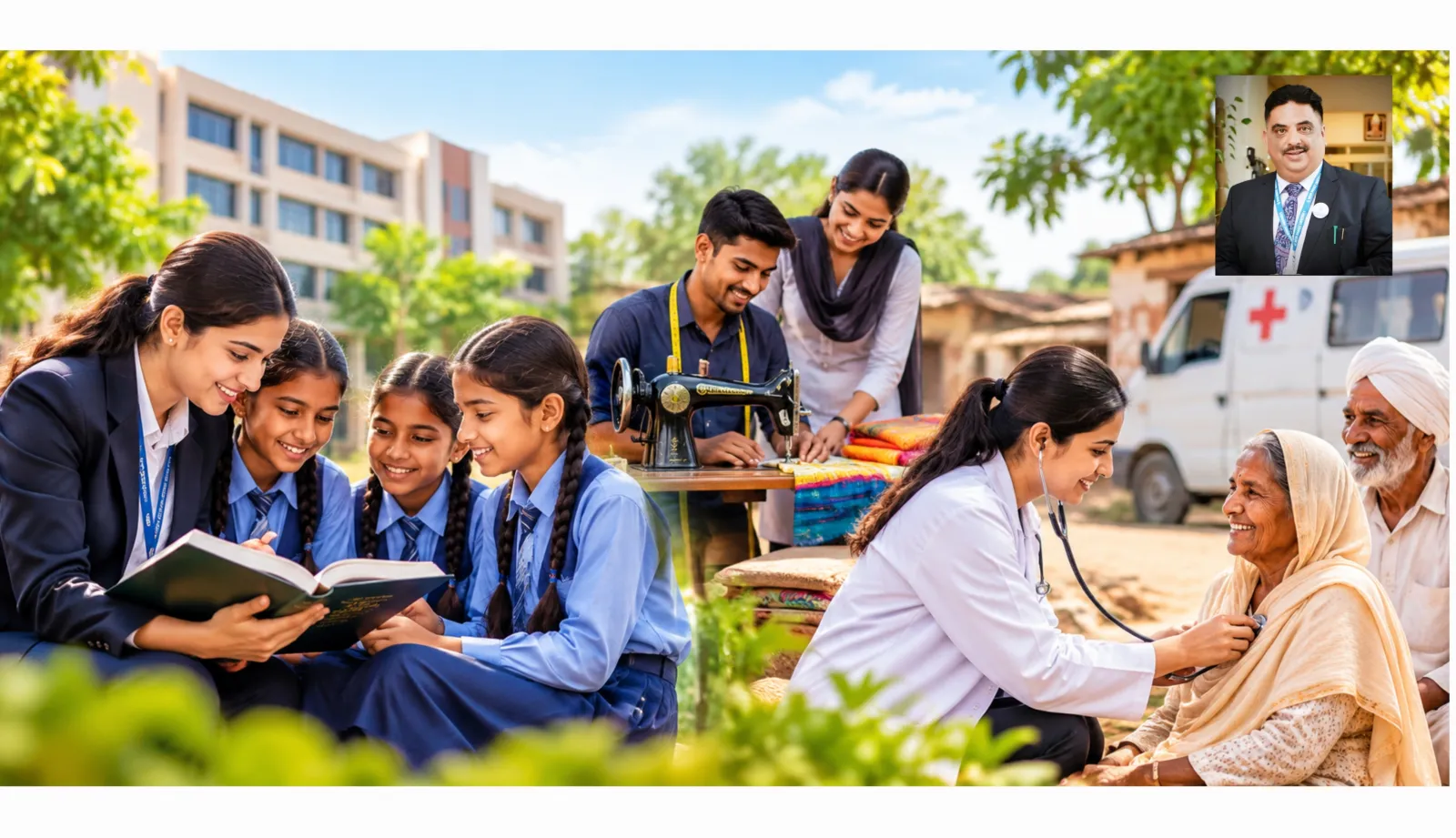
This commitment extends to healthcare through Desh Bhagat Hospital, where free medical services support people from surrounding villages, particularly economically disadvantaged families.
For households with limited income, medical expenses can create considerable financial strain. Access to free medical care helps ease this burden and supports people who might otherwise postpone seeking treatment.
Education, employment and healthcare address closely connected needs. A family's ability to build a better future depends on opportunities to earn, access to learning and the health of its members.
An institution's culture is also reflected in everyday interactions. Celebrating festivals together, recognising service and including colleagues across different responsibilities help create a sense of belonging. At Desh Bhagat University, shared celebrations bring academic, administrative and support teams together, acknowledging their contribution to the institution's progress.
The expression "DBU family" carries an obligation to care, listen and recognise contributions. Its meaning becomes strongest when employees feel included in moments of celebration and supported during difficult times.
Educational leadership has a significant opportunity to make such care a part of institutional practice. Local employment, women's participation, scholarships, employee welfare and community healthcare deserve sustained attention. Their impact is ultimately reflected in the people reached and the opportunities created.
For the villages around Amloh, a university's significance extends beyond its classrooms. It is also found in a livelihood close to home, a woman's opportunity to work, a child's access to education and a family's ability to obtain medical care.
When institutional growth supports these everyday aspirations, philanthropy becomes a continuing commitment expressed through education, service and respect for human dignity.