Dr Ashwani Mahajan
ashwanimahajan@rediffmail.com
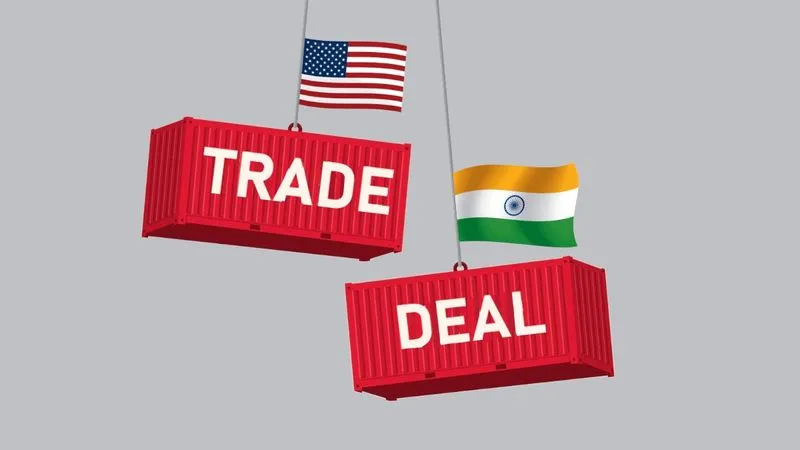
Though, the US trade negotiating team visited India from 1-4 June 2026 for intensive discussions on the proposed interim India-US trade agreement and the broader Bilateral Trade Agreement (BTA), doubts are still looming large on the deal actually happening in near future. On May 29, 2026, US ambassador, Sergio Gore said that India-US trade deal is 99 percent done and will be signed within weeks. US Secretary of the State, Marco Rubio, who visited India, between May 23 and 26, 2026, also expressed optimism about finalizing the India US trade deal soon (within weeks). Rubio in his visit, which was primarily for attending quad foreign ministers' meeting, met senior leaders, including PM Narendra Modi, whom he extended an invite from President Trump.
It is understood that recently, India US trade relations had suffered a severe blow, after President Trump imposed universal reciprocal tariffs, and later India centric punitive tariffs, for buying oil from Russian Federation. Later, utterances from the top leadership of US, which were unexpected and uncalled for, from such high offices, soared the relationship between the two great nations.
It's no secret that not only India, many more countries inked bilateral trade agreements with US , in view of the high reciprocal and other tariffs imposed by President Trump, in his second inning in office. Though, India was almost last country to have reached an understanding, say, 'framework for agreement' (not agreement) with US; whereby a framework was agreed by two sides. But this framework created more confusion than clarity due to the statements coming from US, much beyond the framework agreed. These confusions related to the list of agricultural goods, which India agreed to import, so called 'commitment', or merely an intent to buy US goods worth 500 billion US dollars, whether or not India committed to not buy oil from Russian Federation or not.
Future of India-US BTA
Talks about India-US BTA, have been going on for long, but we don't see conclusion of the same in the near future even today. Ups and downs in India-US bilateral relations, both economic and geopolitical, have caused further damage to the possibility of agreement soon. Although, a consensus framework was reached in early February 2026, and the US Trade Representative-who recently visited India-has painted a highly optimistic picture, the road toward an India-U.S. bilateral trade agreement (BTA) still does not appear free from hurdles.
It's true that trade with the United States is of significant importance to India. For India, US is the most important trade partner, and a largest importer, and we export substantial quantities of goods to the US, the majority of which are labor-intensive products. Generally speaking-from the perspective of trade balance-the US exports much less to India; however, India consistently imports several major commodities from the US, including energy, petroleum, energy equipment, aircrafts for its fast expanding civil aviation sector and many more. Consequently, trade with India holds considerable significance for the United States as well. Geo-politically also growing global influence of China, makes India an important player for US, in terms of maintaining global equilibrium.
In the last one year, India has concluded free trade agreements, with many countries, the pertinent question remains: what is coming in way of India-U.S. trade agreement; and why the same continues to hang in limbo?
Firstly, the greatest hurdle in India-US BTA is that, though, certainly the framework for BTA was agreed-upon in February 2026, the major pushing factor before the Indian negotiators was the reality of high tariffs being imposed by US, hurting the interest of Indian exporters. But since then, a major development took place whereby US Supreme Court struck down most of the tariffs, imposed by President Trump, and therefore that major pushing factor for BTA, no longer exists now. Therefore, whereas US side continues to reiterate the terms of the framework agreed initially, India may not agree to the same in the new circumstances; and would push for a re-negotiation.
Second hurdle is the demands of US, which India cannot heed to, given the domestic compulsions of India; and India's tirade to somehow protect the interests of our farmers and dairy sector. While negotiating different trade agreements, United States has been seeking greater market access in different parts of the world, for its agricultural products. US is a major producer and exporter of agricultural goods, which are mostly genetically modified (GM). Conversely, India maintains restrictions on the production, sale and import of GM produce. Consequently, India cannot fully accede to this US demand of allowing GM agri-products against its domestic laws. Nevertheless, the framework agreement has broached the possibility of opening the market to certain processed GM agricultural products, such as, Distillers Dried Grains with Solubles (DDGS) for animal feed, soybean oil etc, a proposal grounded in the rationale that the processing stage eliminates many of the GM traits.
Similarly, the United States is seeking market access in India for its dairy products. It is noteworthy that animal feed in the US often includes animal-derived ingredients. As a result, American milk and dairy products, would become non-veg and therefore are not deemed acceptable under Indian cultural and religious norms. Consequently, this issue remains a major impediment to the conclusion of the agreement.
Thirdly, although, framework agreed initially also didn't contain any reference to India buying or not buying oil from Russian Federation; despite that, US administration has repeatedly been mentioning that India has agreed to not buying oil from Russia. President Trump has also been saying that India is permitted to buy oil from Russia Russian Federation, for one month and so on, given war situation. Though, in the interest of diplomatic goodwill, India doesn't contradicts their statements, but at the same time, indian side never agreed to their claim, that India had ever committed not to buy oil from Russian Federation. If US continues with the same rhetoric, perhaps agreement will not be possible. There is a question of Political capital also, as Prime Minister Modi has always made it publicly clear that buying oil from Russia is in India's interest and therefore it will be difficult for US side to make India succumb, and not buy Russian oil.
Last, but not the least, major bone of contention has been that of India buying US$500 billion worth of goods including oil, gas, coking coal, aircraft and aircraft parts, precious metals, and technology products, from US, in the next 5 years. Though, the framework mentioned the word 'India intends', US administration, time again had been insisting at 'India commits'. Though, practically speaking, given India's rising GDP and our import requirements of these products imports of these items from US may even exceed US$500 billion in future, but imposing such conditionality looks something inappropriate.
Interestingly, in an editorial piece authored by Alan Beattie, World Trade Editor of 'Financial Times', in his opinion piece, "India's bizarre $500bn 'commitment' in trade deal with US", in Financial Times, has questioned, why India would continue discussing purchases of $500 billion worth of American goods over five years when the trade environment has changed significantly since the February 2026 interim understanding.
(The author is National Co-convener, Swadeshi Jagran Manch )