NEO-NATIONALISM - A STRUCTURAL BARRIER TO GLOBAL ECONOMIC INTEGRATION
Nationalism is the concept where people sharing a common culture, history, language, or identity stand united and prioritize their nation's interests. However, Neo-Nationalism is the modern form of nationalism. Against the backdrop of globalization and international integration, it focuses on safeguarding national sovereignty, national identity, and economic interests. While traditional nationalism centred around nation-building and achieving independence, neo-nationalism focuses on protecting national interests in a highly interconnected world. Many analysts cite the failures of Liberalization, Privatization, and Globalization (LPG) policies as the primary reason for the rise of neo-nationalism. Many believe that globalization has increased economic inequalities, caused job losses due to outsourcing, weakened local industries, and reduced countries' control over their own economic decisions. Additionally, concerns are being expressed that national identity is being eroded in some societies due to increased migration and cultural shifts. Consequently, support is growing for policies that prioritize domestic employment, border security, cultural preservation, and national sovereignty, thereby strengthening neo-nationalist movements.
Over the past decade, several countries have withdrawn from major regional and international blocs due to political, economic, and sovereignty-related reasons. The most prominent example is the UK's departure from the European Union (EU) in 2020. In a 2016 referendum, 52% of voters felt that EU regulations were restricting Britain’s sovereignty and increasing immigration pressures. More recently in 2025, Mali, Burkina Faso, and Niger officially withdrew from the Economic Community of West African States (ECOWAS). Following military coups in their nations, they accused ECOWAS of interfering in their internal affairs and imposing economic sanctions. Their exit is highly significant for this regional bloc, which encompasses a population of roughly 400 million and a Gross Domestic Product (GDP) of $702 billion. Donald Trump primarily used the "America First" slogan to protect American industries, jobs, and national interests. Following this trend, many countries have adopted protectionist policies aimed at shielding domestic businesses from foreign competition. Similarly, governments in nations like India and China have, on various occasions, supported measures tailored to favor their domestic industries. The shift toward prioritizing national economic interests over collective agreements is also highly visible in the energy sector: Qatar officially withdrew from the Organization of the Petroleum Exporting Countries (OPEC) in 2019 to focus more heavily on its natural gas sector. Angola exited OPEC in 2024.The United Arab Emirates (UAE) announced its departure from OPEC and OPEC+, effective May 1, 2026. Together, these global developments clearly indicate that nations are increasingly prioritizing their own national and economic interests over international alignments.
Neo-Nationalism – Impact on Global Economic Development
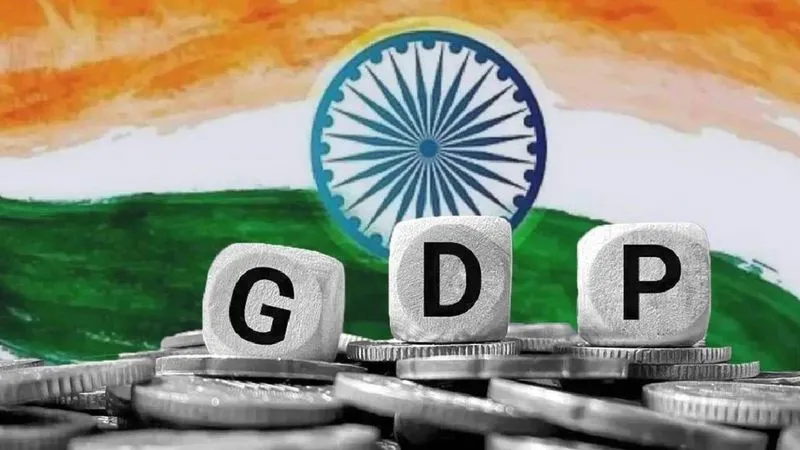
Neo-nationalism is influencing Liberalization, Privatization, and Globalization (LPG) by encouraging countries to prioritize national interests over international economic integration. As a result, protectionist economic policies, higher import tariffs, stricter immigration controls, and efforts to bring manufacturing back to domestic territories have increased. For example, the share of international trade in the world's Gross Domestic Product (GDP) rose from about 39 percent in 1990 to 61 percent by 2008. During the peak of globalization before the 2008 financial crisis, global trade grew at an average annual rate of 5–6 percent. Under neo-nationalist policies, the United States–China trade war led to the imposition of tariffs on goods worth hundreds of billions of dollars. Consequently, global supply chains experienced significant disruptions. At present, many countries are adopting “friend-shoring” and “reshoring” strategies. This means that production is being shifted either to politically allied countries rather than the most efficient production centers, or brought back to the home country. According to estimates by the International Monetary Fund (IMF), severe geo-economic fragmentation could reduce global GDP by up to 7 percent in the long run. According to the World Trade Organization (WTO), the growth rate of global merchandise trade volume was only 2.7 percent in 2024, which is considerably lower than the rapid growth witnessed during the peak era of globalization. These trends are also affecting international relations. Rising tensions among trading partners and declining confidence in multilateral institutions are becoming increasingly evident. Foreign Direct Investment (FDI) flows are also becoming more volatile, with investors adopting a more cautious approach. Developing countries that depend heavily on exports may face challenges such as reduced market opportunities and slower industrial growth. Technology transfer and innovation among countries may also become more limited. Furthermore, international cooperation on global issues such as climate change, energy security, and economic stability could weaken as a result of these developments.
Neo-Nationalism in India
Neo-nationalism in India is reflected in the emphasis placed on national sovereignty, self-reliance, cultural identity, and strategic autonomy in foreign policy. A prominent example of this is the Atmanirbhar Bharat (Self-Reliant India) initiative, launched in 2020. The program aims to strengthen domestic manufacturing and reduce dependence on imports. However, despite its focus on self-reliance, India continues to maintain strong integration with the global economy. In the financial year 2023–24, India's merchandise exports reached approximately US$437 billion, while total exports of goods and services exceeded US$820 billion. India has balanced neo-nationalist policies with international engagement. As part of this approach, it has actively participated in forums such as the Quadrilateral Security Dialogue (Quad) and further strengthened strategic relations with the United States, Japan, and Australia. At the same time, India has continued to maintain close ties with Russia, particularly in the energy and defense sectors. One of the main reasons India chose not to join the Regional Comprehensive Economic Partnership was concern about protecting domestic industries from competition arising from foreign imports. This decision reflects India's policy of placing national interests at the forefront. Therefore, while neo-nationalism has encouraged India to adopt a “National Interest First” approach, it has not prevented the country from expanding its trade networks and diplomatic partnerships. Instead, India has sought to combine self-reliance with active participation in the global economic and strategic order.
Ways to Reduce the Impact of Neo-Nationalism
To reduce the impact of neo-nationalism, it is necessary to strengthen international economic cooperation and ensure that the benefits of globalization reach all sections of society equally. Countries should promote fair trade agreements that protect the interests of workers while keeping markets open. Governments should invest in skill development and retraining programs to support workers who have lost their jobs or have been affected. At the same time, social security schemes should be further strengthened. Similarly, trade disputes can be reduced through international organizations such as the World Trade Organization and the United Nations. Stronger multilateral cooperation can enhance global stability at the international level. Expanding educational, cultural, and scientific exchange programs can improve mutual understanding among people. Countries should also work together to address global challenges such as climate change, public health, and technological development. Such cooperation creates shared benefits and helps reduce the rise of extreme nationalist tendencies. As a result, global economic development can become more stable and inclusive.
Dr. P. Subramanyachary
Professor, School of Commerce and Management
Mohan Babu University
Sree Sainath Nagar-517102
Tirupati, Andhra Pradesh
Mobile: 8309082823