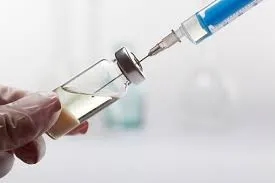
Srinagar, Jun 03: Unsafe injection practices can lead to outbreaks of Human Immunodeficiency Virus (HIV) and other blood-borne infections, the National Medical Commission (NMC) has said, asking medical colleges across the country to implement safe injection practices to prevent transmission of blood-borne infections such as HIV, Hepatitis B (HBV), and Hepatitis C (HCV).
The NMC’s Policy & Coordination Division issued an advisory to all medical colleges regarding mandatory implementation of safe injection practices, stating that recent national and international evidence indicates that unsafe injection practices can lead to outbreaks of HIV and other blood-borne infections—incidents that are entirely preventable through strict adherence to standard infection prevention and control measures.
All medical colleges have been advised to ensure full compliance with national infection prevention and control guidelines, including maintaining proper hand hygiene, using only sterile single-use needles and syringes, and enforcing a strict prohibition on the reuse of injection equipment under any circumstances.
Warns against injection-related breaches
Medical institutions must also ensure proper segregation and disposal of sharps and injection-related waste in accordance with the Biomedical Waste Management Rules, 2016.
The NMC has recommended gradual adoption of safety-engineered auto-disable syringes and conducting regular training programmes and competency assessments for healthcare workers. Any needle-stick injury or cluster of infections must be promptly reported and investigated.
Hospital authorities are required to provide post-exposure prophylaxis as per National AIDS Control Organisation (NACO) guidelines and undertake regular audits through designated in-charges and infection control teams.
Calls for regular audits, training for healthcare workers
According to the advisory, strict adherence to safe injection practices is a non-negotiable patient safety requirement. Practices such as reuse of injection equipment, unsafe vial sharing, recapping of needles, and improper disposal of sharps constitute serious breaches of patient safety and must be subject to zero tolerance, it added.