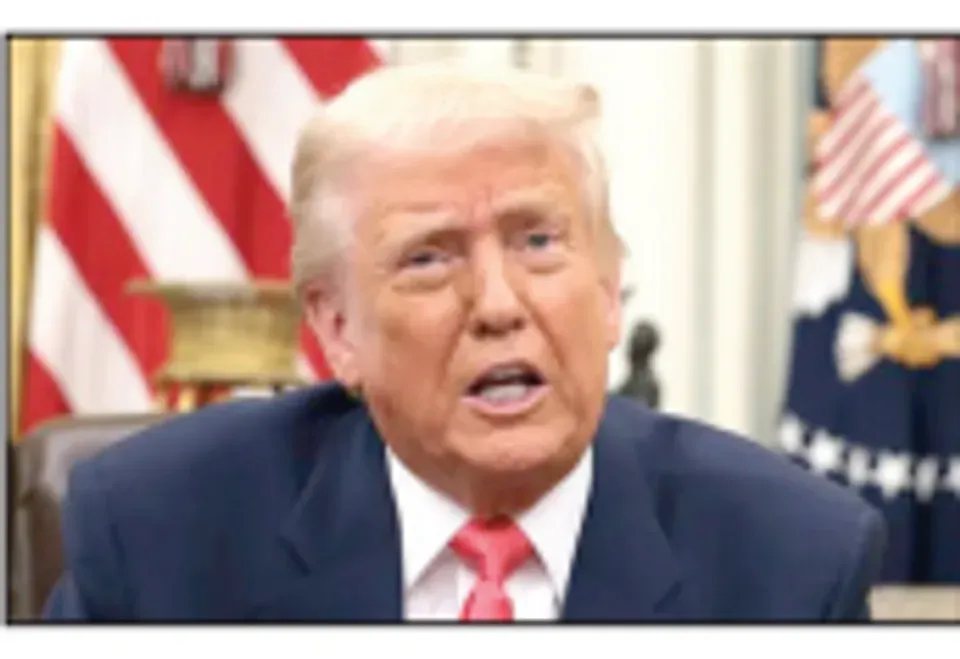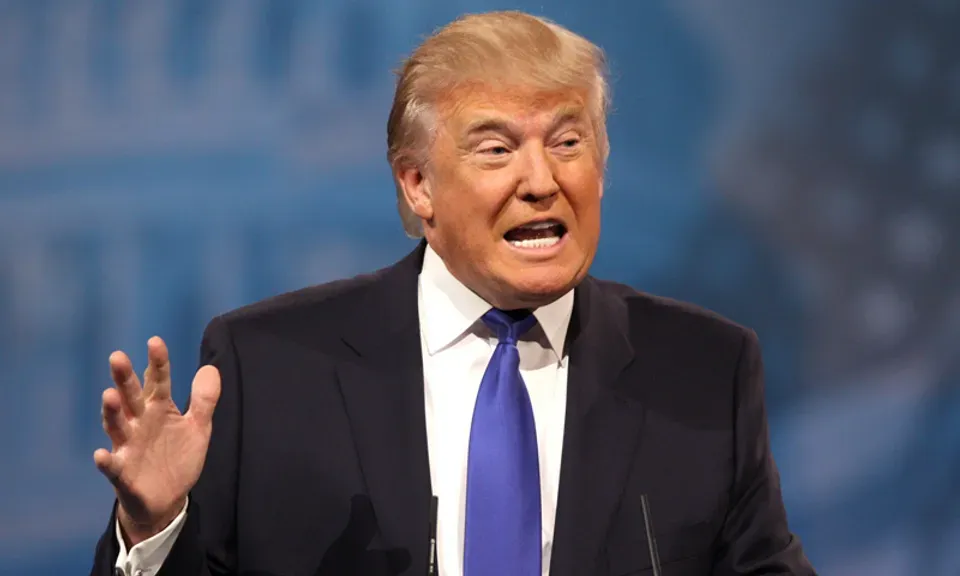
New Delhi, Jun 13: US President Donald Trump on Saturday said that a new agreement between the United States and Iran is scheduled to be signed on Sunday, asserting that it will prevent Tehran from obtaining a nuclear weapon and lead to the immediate reopening of the Strait of Hormuz.
In a post on Truth Social, Trump contrasted the proposed agreement with the 2015 nuclear deal negotiated under former President Barack Obama.
“Barack Hussein Obama’s Deal with Iran, the JCPOA, was an easy, beautiful, smooth road to a Nuclear Weapon,” Trump wrote, adding that Iran “would have had [a nuclear weapon] six years ago, and would have used [it] long before now.”
Describing his proposed agreement as “the exact opposite,” Trump said it would create “A WALL TO NO NUCLEAR WEAPON.”
“In fact, they no longer want a Nuclear Weapon, nor will they have one, either through purchase, development, or any other form of procurement,” he said.
Trump said that “the Deal is scheduled to get signed tomorrow, and immediately after it is signed, the Hormuz Strait is OPEN TO ALL.”
The US President also said that, unlike the Obama-era agreement, “no money will exchange hands.”
He criticised what he described as “Hundreds of Billions of Dollars in payments” made under the previous administration. Referring to Iran’s nuclear programme, Trump said that “when all is calm,” the United States would retrieve what he called “the Nuclear Dust, buried deep under the powerful sunken granite mountains,” and “downblend and destroy it, whether in Iran, or the United States.”
He credited US.l military strikes carried out by B-2 bombers for the destruction of Iran’s nuclear infrastructure and said Washington looked forward to working with Iran and the wider Middle East in the future.
“Hopefully, this process will all work out quickly, easily, and smoothly. If it doesn’t, we have the ultimate alternative, hopefully never to be used again!” Trump wrote.
There was no immediate official confirmation from Iranian authorities regarding the signing of the agreement or the details outlined by the US President.
Earlier, the United States Central Command (CENTCOM) said that US forces intercepted and destroyed multiple Iranian attack drones that were allegedly launched toward commercial vessels transiting the strategically vital Strait of Hormuz. In a statement posted on X, CENTCOM said Iran had launched "multiple one-way attack drones" in an apparent attempt to strike commercial ships passing through the narrow waterway, one of the world's most important energy and trade routes. "US forces have downed all of them in recent hours as traffic flow through the strait continues unimpeded. The international trade corridor remains open for transit," CENTCOM said. The military command added that maritime traffic through the Strait of Hormuz has not been disrupted despite the attempted attacks.
CENTCOM also said US forces are continuing to enforce what it described as a blockade against Iran.
According to the command, since April 13, US naval forces have redirected 139 commercial vessels that complied with its directives and disabled nine ships deemed non-compliant. The latest incident comes amid heightened tensions in the Gulf region, where the Strait of Hormuz remains a critical chokepoint for global energy supplies and international commerce. The waterway connects the Persian Gulf to the Gulf of Oman and handles a significant share of the world's seaborne oil shipments.
There was no immediate response from Iranian authorities regarding CENTCOM's claims. The developments mark another escalation in the ongoing confrontation between Washington and Tehran over maritime security and regional stability. Meanwhile, Pakistani Prime Minister Shehbaz Sharif said that a peace agreement between the United States and Iran was likely to be finalised within the next 24 hours. In a post on X, Sharif said the agreement would be followed by the electronic signing of the peace deal and technical-level talks next week.
Pakistan has played a mediating role in the negotiations between Washington and Tehran.
Sharif thanked both the United States and Iran for their commitment during the talks, as well as regional partners for their support. “We are confident that this historic peace deal will form a strong foundation for lasting peace,” he said. Meanwhile, Iran's Parliament Speaker and chief negotiator Mohammad Bagher Ghalibaf struck a defiant tone while marking the anniversary of last year's 12-day conflict involving Iran, Israel, and the United States.
In a statement, Ghalibaf accused the US and Israel of targeting civilians during the conflict and vowed that Tehran would remain steadfast. The developments come amid growing expectations that ongoing diplomatic efforts could lead to a breakthrough agreement aimed at easing tensions and reopening key regional trade routes.
Meanwhile, Israel carried out air strikes in southern Lebanon on Saturday after ordering residents to evacuate around 20 locations, the BBC reported, citing Lebanese state media. According to Lebanon's National News Agency, at least one person was killed in a strike on the town of Marrakeh in the Tyre district. The attacks came after Israeli Prime Minister Benjamin Netanyahu warned that Israel would take military action if Hezbollah continued its attacks on northern Israel.
The strikes occurred amid reports of progress in negotiations aimed at ending hostilities between the United States and Iran.