Flibrary- When a Book Becomes a Companion on the Journey
Air travel is generally associated with speed, convenience, and saving time. Reaching the airport a few hours before departure, completing security checks, waiting for boarding, and then travelling hundreds of kilometres in just a few hours has become a familiar part of modern life. But if, amid all this rush, a book replaces the mobile phone in a traveller’s hands, the journey can become much more than travelling from one place to another. It can become a journey of ideas and knowledge.
The introduction of the “Flibrary” facility at Indian airports is a welcome and positive initiative in this direction. Under this concept, travellers can borrow a book from the airport library, read it during their flight, and return it at the destination airport. There is no need to purchase the book or carry it around throughout the journey. A traveller simply borrows it, enjoys reading it during the flight, and returns it after reaching the destination.
The idea may appear simple, but the thought behind it is significant. Travellers often spend considerable time waiting at airports. Much of this time is now spent scrolling through mobile phones. Social media, short videos, notifications, and an endless stream of information constantly compete for our attention.
In such an environment, if a traveller picks up a book instead, even a few minutes or an hour spent reading can become meaningful.
A book does not merely help us pass time; it gives time a purpose. When a passenger puts the phone aside after boarding and opens a book, the experience of travel changes. For a while, the traveller steps away from the noise of the digital world and enters a quieter world of ideas, imagination, and reflection.
Books do not merely provide information. They expand our ability to think. A good book allows us to see the world through another person's eyes. It takes us to places we may never visit, introduces us to people we may never meet, and allows us to experience situations that we may never encounter ourselves.
History connects us with the past. Biographies introduce us to struggle and perseverance. Literature makes us more sensitive. Philosophy teaches us to question ourselves. Science encourages curiosity And good stories help us understand people and society.
Therefore, a person who reads is not merely completing pages; they are adding something new to their inner world. It is an irony of our times that we have access to more reading material than ever before, yet our patience for reading books appears to be declining.
On a mobile phone, we may consume dozens of pieces of content within minutes, but sitting patiently with a book for an extended period can feel increasingly difficult. Our fingers move rapidly across screens, while our minds are gradually losing the habit of staying with one idea for a longer period.
Initiatives such as Flibrary can help bring books back into our journeys, waiting periods, and everyday lives. Perhaps a traveller picks up a book simply to pass the time. But while reading, they may come across an idea that changes the way they look at life.
A student may discover a book about a career they had never considered. A young person may find inspiration in the biography of a great personality. An elderly traveller may rediscover memories through an old literary work. A child may discover the joy of reading through a fascinating story. That is the beauty of books. We choose a book, but sometimes the book chooses something within us.
Another beautiful aspect of this initiative is that a single book can travel from one reader to another. Imagine a traveller borrowing a book at an airport in Delhi and returning it after reaching Mumbai. That same book can then become the companion of another traveller.In this way, a book does not remain the possession of one individual. It becomes part of a shared journey of knowledge. Buying a book is wonderful, but allowing a book to reach many readers is an equally beautiful idea. Airports Can Become Centres of Knowledge Too.
Airports represent modern India. People from different parts of the country and from different parts of the world pass through them every day. If libraries and reading facilities become more common at such places, airports can become more than centres of transportation. They can also become small centres of knowledge, culture, and learning.
Imagine arriving at an airport and, among restaurants, shops, advertisements, and digital screens, finding an inviting library. You walk in, choose a book, and begin reading it on your flight. Such a scene would itself be a sign of a positive cultural change.
The impact of such an initiative could be particularly meaningful for children and young people. Children quickly adopt habits when they see them in an attractive and accessible environment. If books are easily available to them at modern public spaces such as airports, reading can become more than a school activity. It can become a natural part of travel and leisure. For young people, this is especially important because a large part of their time is now spent consuming digital content.
Digital technology is not inherently bad, but it should not completely replace the habit of reading. A screen can provide information; a book can give that information depth. Books Can Help Build a Better Society.
The impact of books does not stop at the individual level. A regular reader can gradually become more thoughtful, sensitive, curious, and willing to question assumptions.
A person who reads history can understand the present better. Someone who reads literature may understand human emotions more deeply. Someone who studies science can learn to question superstition and misinformation. Someone who reads biographies can draw strength from the struggles of others.
Encouraging reading, therefore, is not simply about developing a reading habit. It is an investment in creating a thoughtful and sensitive society.
The success of Flibrary should not be measured merely by the number of books borrowed from airports. Its real success will be seen when people who pick up a book while travelling begin to make reading a part of their lives.
A passenger already has a seat, a screen, a smartphone, and internet access during a flight. But when there is a book in their hands, the experience can become entirely different. An aircraft takes us from one city to another, while a book can take us from one idea to another. One journey helps us cross physical distances; another can take us inward, toward ourselves.
That is why Flibrary is more than a facility for borrowing and returning books. It is an effort to bring books back into a time when we may have plenty of time, but increasingly little patience to pause and reflect.
Such initiatives should reach more airports, railway stations, bus terminals, and other public spaces. Because the progress of a nation is not measured only by faster roads, modern airports, and taller buildings.
We also need a society that knows how to combine the speed of travel with the depth of thought. Perhaps one day, a small book picked up from an airport Flibrary will not merely be a traveller’s companion for a few hours. It may become the book that changes the direction of that person's life.
An aircraft can give us wings to travel, but a good book can give our thoughts the wings to soar.
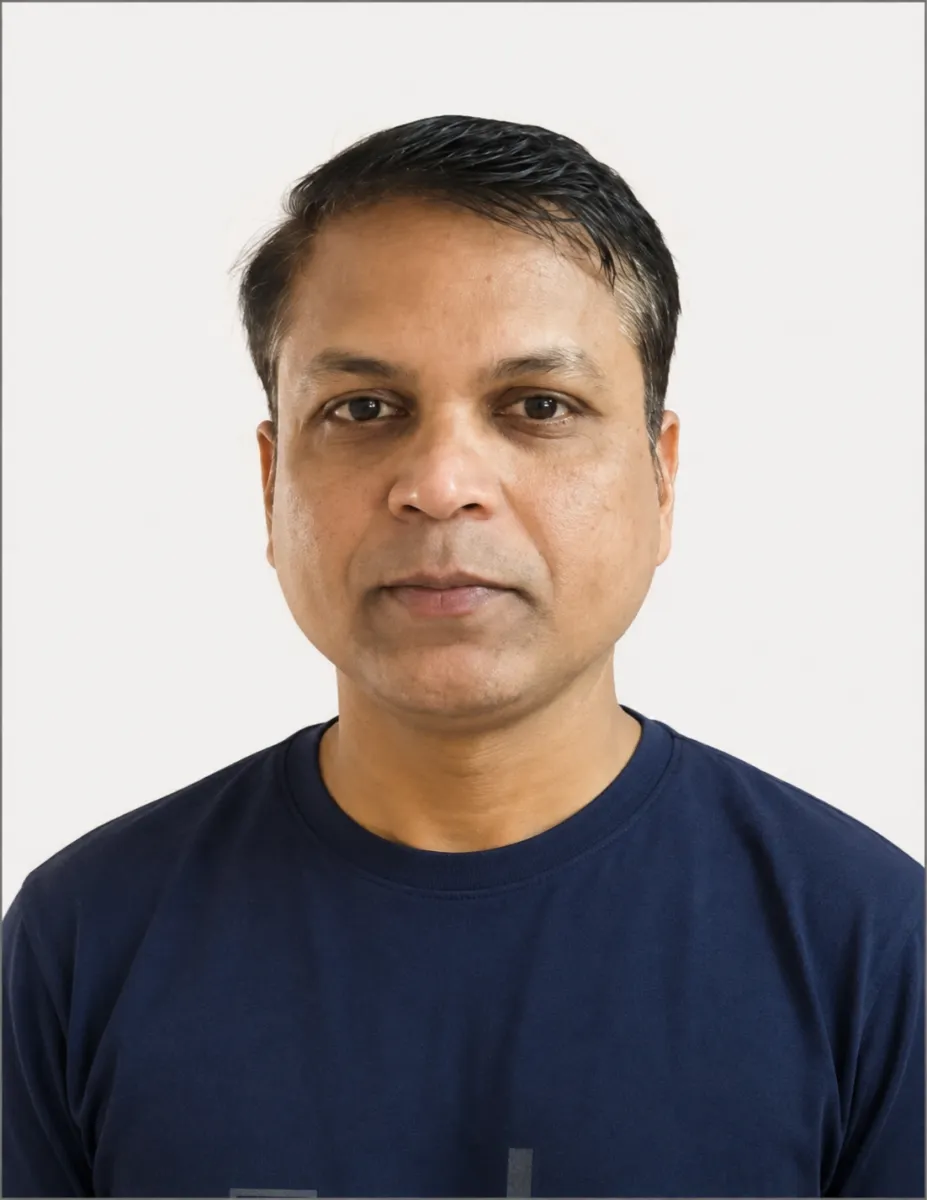
Virendra K Pathariya | Indipendent writer