TAKING JUSTICE TO THE FRONTIER: NALSA JAGRITI AWARENESS PROGRAMME HELD AT GDC TANGDHAR
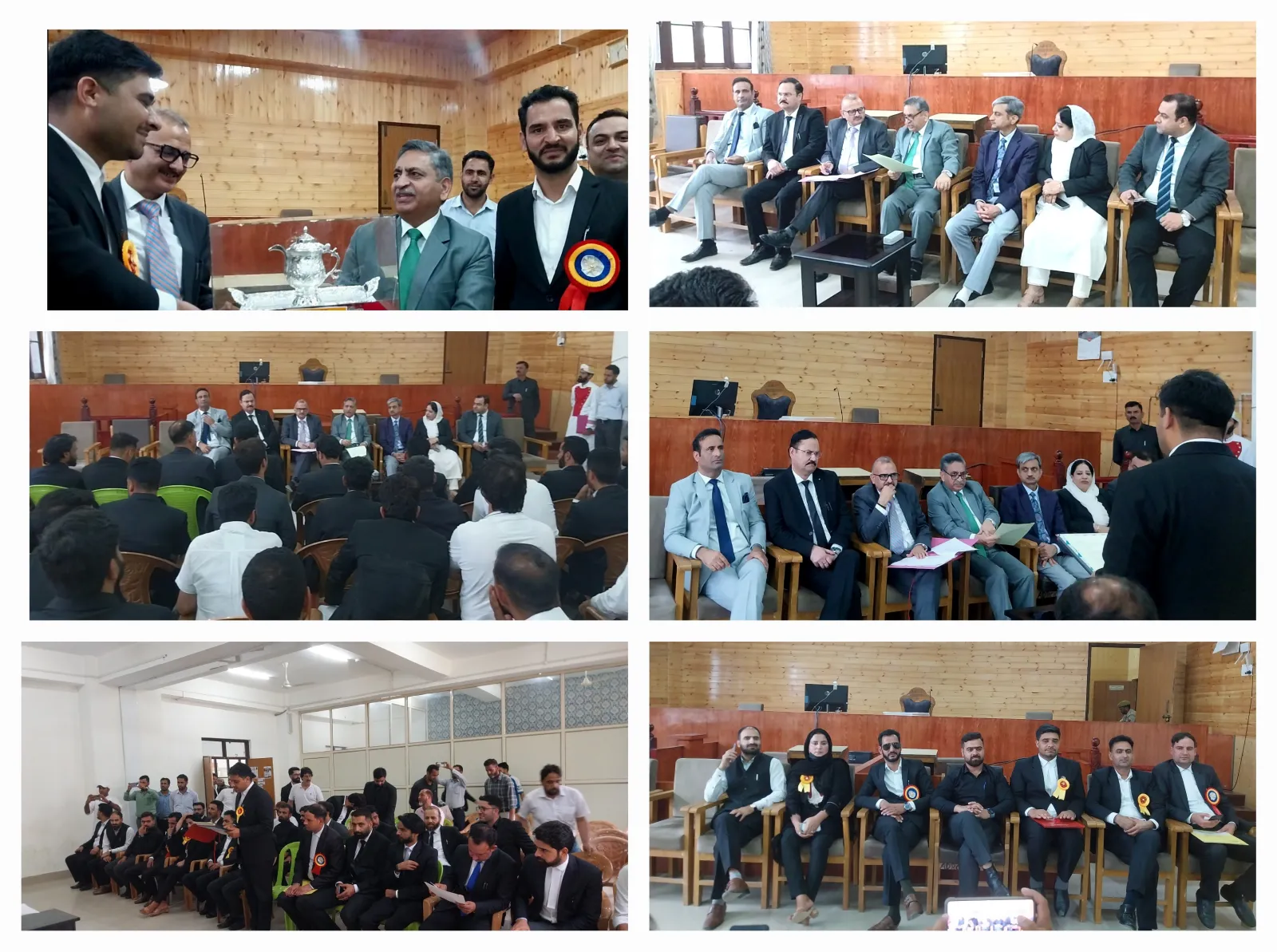
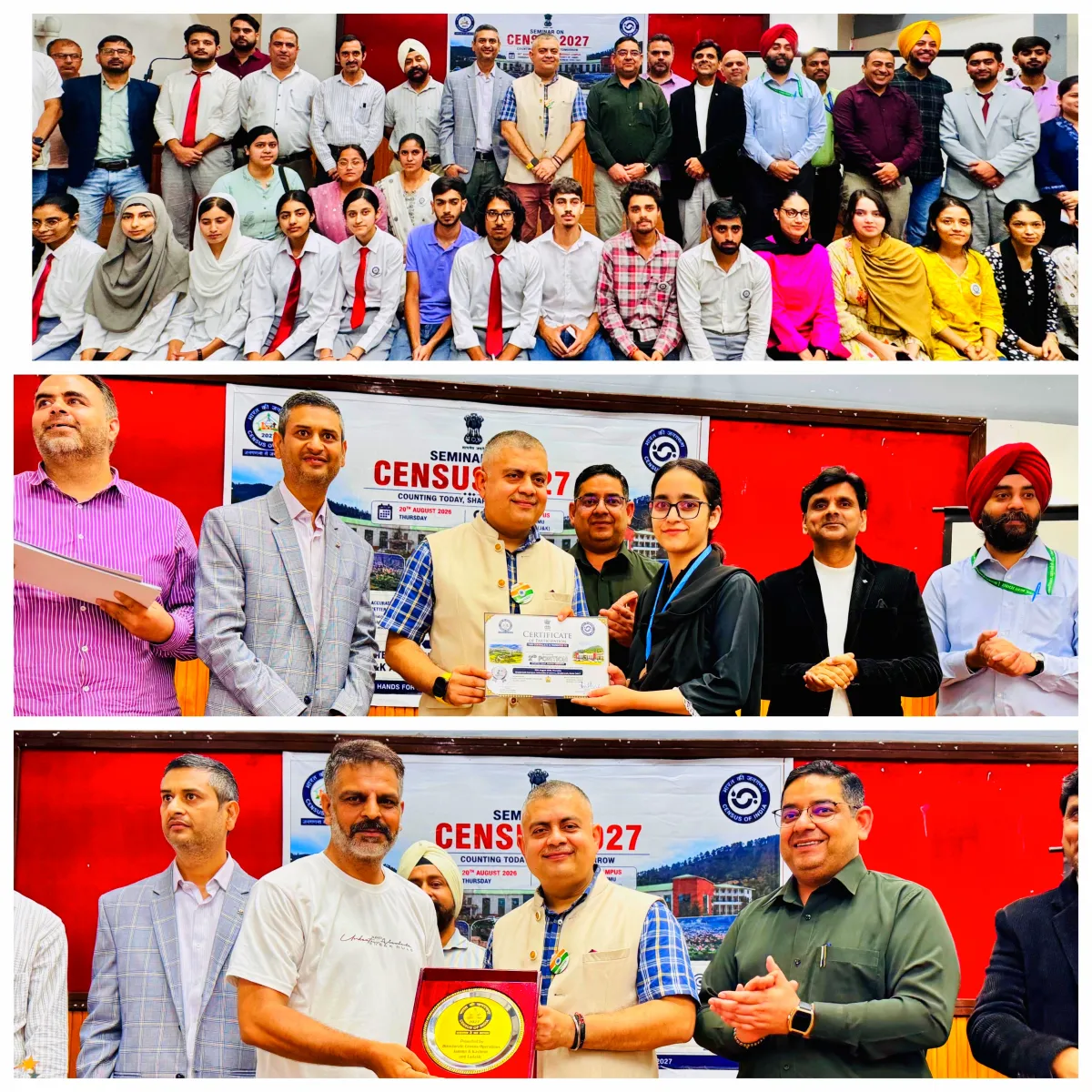
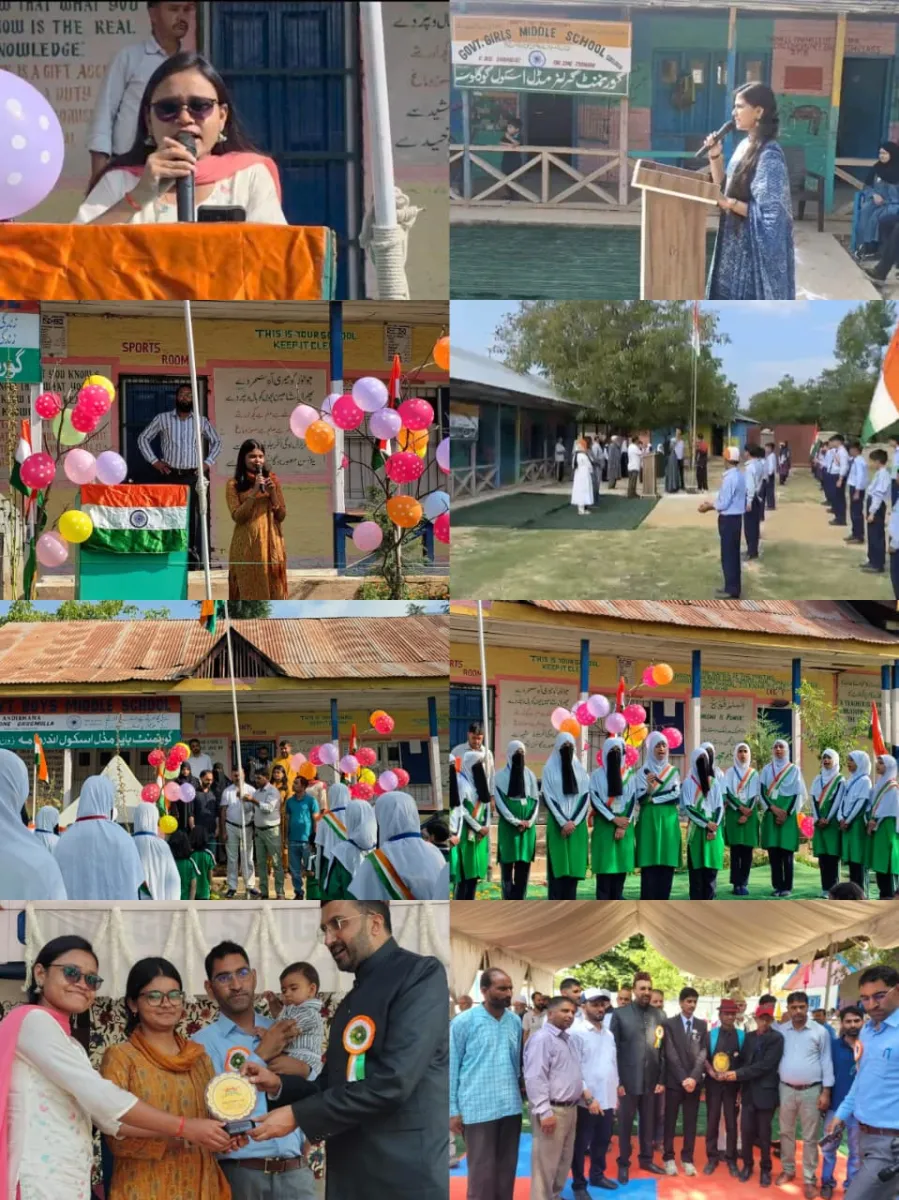
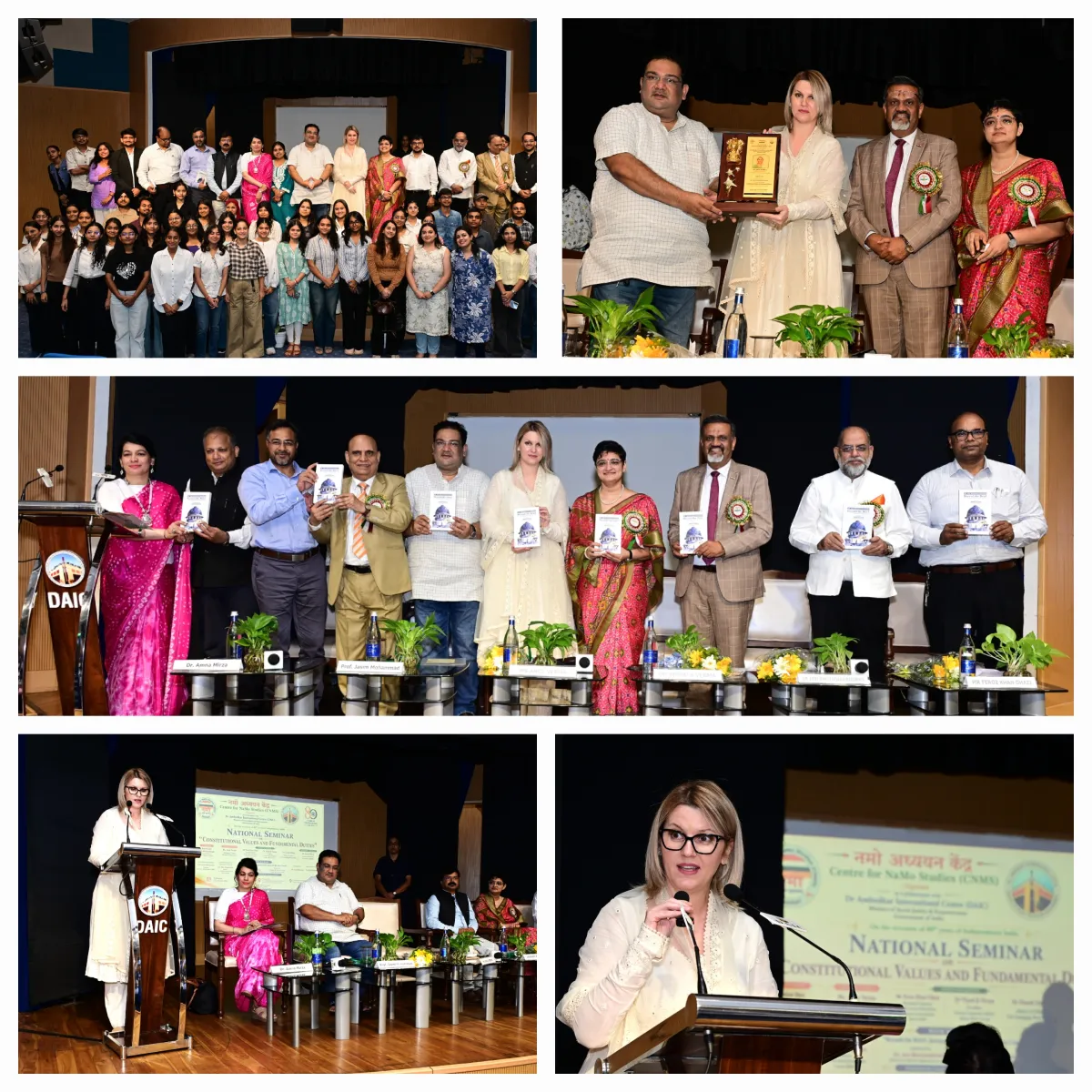
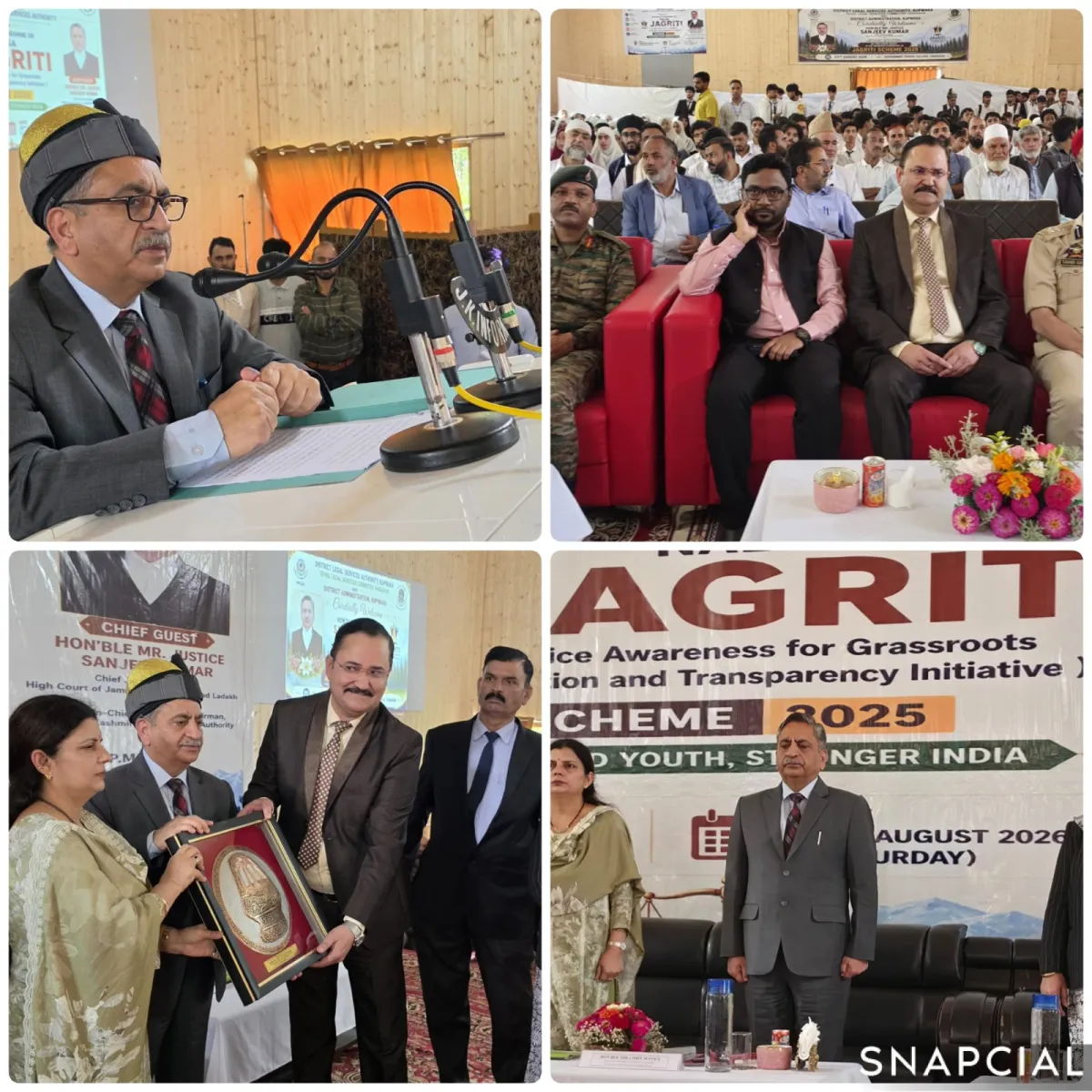
KUPWARA, AUGUST 22: In a significant outreach initiative aimed at taking legal awareness and access to justice to the remotest and far-flung areas of Jammu and Kashmir, the District Legal Services Authority (DLSA), Kupwara, under the aegis of the Jammu & Kashmir Legal Services Authority (JKLSA) and in furtherance of the objectives of the National Legal Services Authority (NALSA), today organised an awareness programme on the NALSA JAGRITI (Justice Awareness for Grassroots Information and Transparency Initiative) Scheme, 2025, under the theme “Empowered Youth, Stronger India”, at Government Degree College, Tangdhar.
Hon’ble Mr. Justice Sanjeev Kumar, Acting Chief Justice of the High Court of Jammu & Kashmir and Ladakh, Patron-in-Chief and Executive Chairman, J&K Legal Services Authority, was the Chief Guest on the occasion.
The programme was attended by Mr. M. K. Sharma, Registrar General, High Court of Jammu & Kashmir and Ladakh; Ms. Shazia Tabassum, Member Secretary, J&K Legal Services Authority; Manjeet Singh Manhas, Principal District & Sessions Judge, Kupwara; Mr. Shrikant Bala Sahib, Deputy Commissioner, Kupwara; and Mr. Syed Tahir Geelani, SSP Kupwara, besides officers of the district administration, police and education department, judicial officers, members of the Bar Association Tangdhar, faculty members, representatives of civil society and a large number of students from Government Degree College Tangdhar, Government Higher Secondary Schools and other educational institutions.
The programme commenced with a welcome address by the Principal District & Sessions Judge, Kupwara, who welcomed the Chief Guest and other dignitaries and highlighted the importance of taking legal services and awareness initiatives to remote and frontier areas.
Thereafter, various speakers, including the Secretary, DLSA Kupwara, sensitised the gathering about the NALSA JAGRITI Scheme, 2025, its objectives, grassroots philosophy and the mechanism envisaged for its implementation. The speakers highlighted the need for sustained legal awareness through schools, colleges, Legal Literacy Clubs, Para-Legal Volunteers, Legal Services Authorities, Taluk Legal Services Committees and other local institutions.
The speakers explained that the JAGRITI Scheme—Justice Awareness for Grassroots Information and Transparency Initiative—seeks to take legal knowledge and the benefits of legal services closer to the people. Its underlying philosophy is that awareness of rights and duties should not remain confined to courts or legal institutions but should reach citizens in their communities, educational institutions and other places of everyday interaction. The initiative seeks to move from mere legal awareness towards legal empowerment, enabling people to understand their rights and duties, identify available remedies and know where and how to seek legal assistance.
Dr. Adil, representing IMHANS-K, thereafter addressed the gathering on mental health and emotional well-being. He sensitised the students and participants about the importance of recognising mental health concerns at an early stage, seeking timely professional assistance and creating a supportive and stigma-free environment for persons experiencing emotional or psychological difficulties.
Addressing the gathering, Hon’ble Mr. Justice Sanjeev Kumar emphasised that legal awareness is an important instrument of empowerment and that the justice delivery system must remain accessible to every section of society. His Lordship stressed that geographical distance and difficult terrain should never become a barrier to justice, particularly for people living in remote and frontier areas.
His Lordship appreciated NALSA for bringing out the JAGRITI Scheme, 2025, observing that the initiative provides an important framework for taking legal awareness and the benefits of legal services to the grassroots. He particularly appreciated the efforts of the Jammu & Kashmir Legal Services Authority and DLSA Kupwara for taking the scheme to a remote and frontier area like Tangdhar, thereby giving practical expression to its grassroots philosophy.
The Chief Justice emphasised that rights and duties go hand in hand. While every citizen must be aware of and exercise his or her rights, equal importance must be attached to understanding one’s duties and respecting the rights of others. Such awareness, he observed, creates an environment in which everyone can exercise his or her rights freely, with dignity and responsibility.
His Lordship also spoke about youth empowerment and legal literacy, observing that young people constitute an important force in shaping the future of society. Knowledge of law, constitutional values, rights and responsibilities, he said, enables young persons to make informed decisions and become responsible citizens.
Addressing issues concerning children and juvenile justice, the Chief Justice emphasised the need for a sensitive, child-friendly and rehabilitative approach towards children in conflict with law. He stressed that children should not be permanently labelled for mistakes committed at a young age and highlighted the importance of counselling, education, parental care, guidance and rehabilitation in helping them return to a constructive path.
His Lordship also drew attention to the growing challenge of substance abuse and drug trafficking, particularly among youth, emphasising that the menace cannot be addressed through punitive measures alone. He called for equal focus on prevention, early identification, counselling, treatment and rehabilitation and urged young people facing difficulties to seek help without fear or stigma.
On mental health, the Chief Justice observed that mental and emotional well-being deserves the same attention as physical health. He called upon parents, teachers and society to create an environment in which children and young people can speak about their concerns without fear or judgement. He also encouraged parents to remain closely engaged with their children and understand their emotional well-being, friendships and online activities.
His Lordship further highlighted challenges associated with the digital environment, including cyber fraud, online harassment, identity misuse and misinformation, and emphasised the importance of digital awareness and responsible use of technology.
The Chief Justice encouraged girls and young women to pursue education, acquire skills, seek opportunities and participate fully in decision-making and public life, observing that their empowerment and equal participation are essential for the progress of society.
Calling for a proactive approach by legal services institutions, His Lordship emphasised that District Legal Services Authorities, Taluk Legal Services Committees, Panel Lawyers and Para-Legal Volunteers must reach out to people who need assistance rather than waiting for them to approach legal services institutions. He stressed that legal awareness generated through JAGRITI should not remain confined to a single programme but should be carried forward continuously through schools, colleges, villages and communities.
He further emphasised that legal awareness must translate into actual access to justice, stating that people should not merely know that rights exist but should also know where to approach, whom to approach and what legal assistance is available when they require support.
The programme also witnessed a cultural programme presented by artists and students. The students performed a skit based on the theme of drug trafficking, highlighting its harmful impact on individuals, families and society. The performances added vibrancy to the occasion while also conveying important messages of social responsibility, legal awareness and the need to remain vigilant against the menace of drug trafficking.
As part of the outreach initiative, a medical camp was also organised for the local population, where free medical consultation, treatment and medicines were provided to a large number of people. The camp complemented the broader outreach objective of addressing the well-being of communities residing in remote areas.
The programme concluded with a vote of thanks proposed by Prof. Sadaf Rauf, Professor, Government Degree College, Tangdhar. She expressed gratitude to the Chief Guest, Hon’ble Mr. Justice Sanjeev Kumar, Acting Chief Justice of the High Court of Jammu & Kashmir and Ladakh, and all the dignitaries, officers, speakers, faculty members, students, artists and other participants for their presence and valuable contribution to the successful conduct of the programme. She also acknowledged the efforts of the District Legal Services Authority, Kupwara, and all associated departments and institutions in organising the outreach programme at Tangdhar.
The holding of such an awareness programme at Tangdhar reaffirmed the larger vision of the High Court of Jammu & Kashmir and Ladakh, NALSA and the Jammu & Kashmir Legal Services Authority that geographical location should never become a barrier to justice, and that the promise of legal awareness, legal assistance and access to justice must reach every community, including those living in the farthest and most difficult-to-reach areas of Jammu and Kashmir.