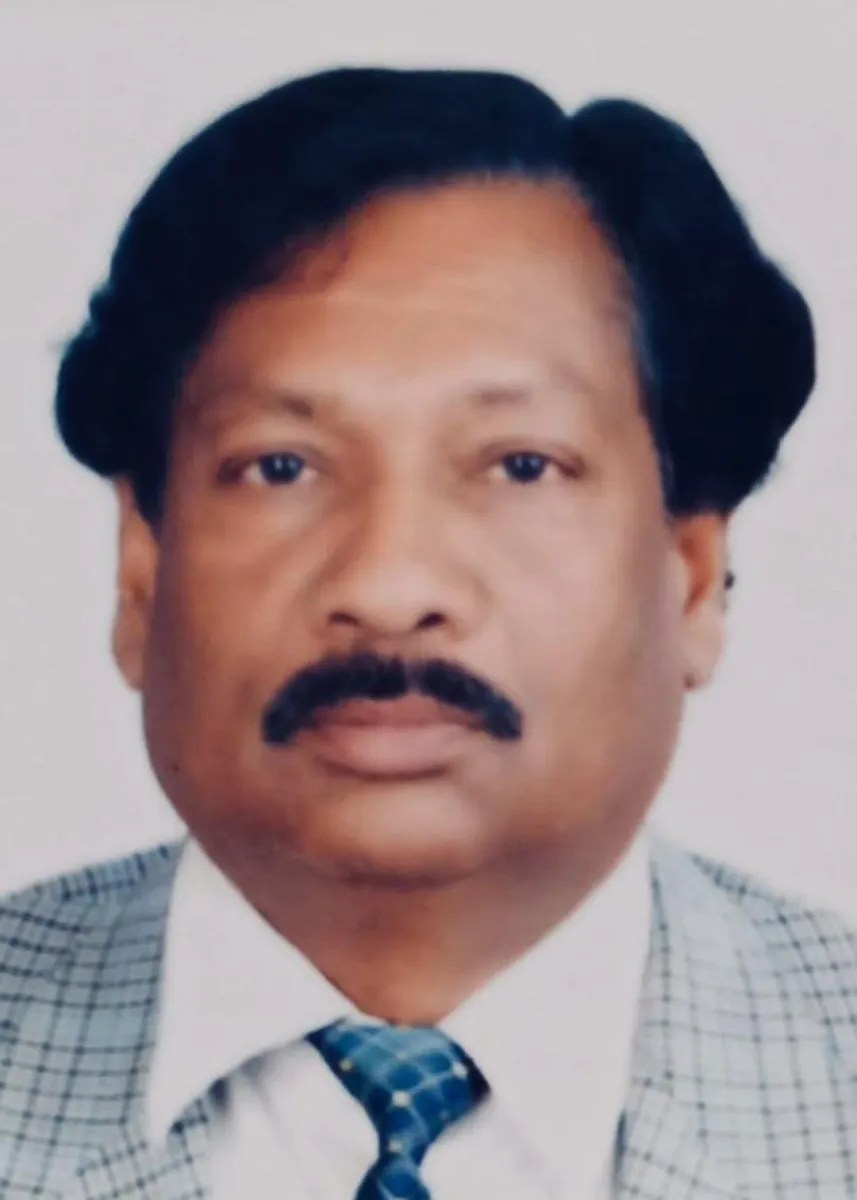
Writer: Prof. (Dr.) Manmohan Prakash
Democracy is not merely a system of governance; it is a continuous process of exchanging ideas, respecting dissent, and resolving differences through dialogue. The maturity of a democratic nation is measured not only by the conduct of free and fair elections but also by the way it responds to disagreements and public discontent. When dissent is expressed through road blockades, stone-pelting, and violence, and the response consists of tear gas, water cannons, and baton charges, it reflects not the strength of democratic culture but the weakening of the tradition of dialogue. The true strength of democracy lies not in the use of force, but in trust, communication, and mutual understanding.
The Constitution of India guarantees every citizen the fundamental rights to freedom of expression and peaceful assembly. These rights are the lifeblood of democracy. However, every right is accompanied by responsibility. When protests turn violent, public property is damaged, normal life is disrupted, or confrontations arise between demonstrators and law enforcement agencies, democratic movements begin to lose their moral legitimacy. Conversely, if governments treat every protest merely as a law-and-order issue and resort primarily to coercive measures, public trust in democratic institutions begins to erode. Both situations are equally detrimental to the health of democracy.
In recent years, several incidents across different parts of the country have demonstrated how confrontation, instead of dialogue, has complicated already sensitive situations. Violent clashes, arson, stone-pelting, and the destruction of public property inflict not only economic losses but also weaken democratic institutions and social trust. It is a matter of serious introspection whether we have increasingly begun to express disagreements through conflict rather than constructive dialogue. At the same time, it cannot be ignored that anti-social or anti-national elements may exploit social tensions and public unrest to deepen divisions and create instability within society.
India's democratic history offers valuable lessons in this regard. Mahatma Gandhi demonstrated through Satyagraha and non-violence that moral force is far more powerful than physical violence. Likewise, Dr. B. R. Ambedkar paved the path for social transformation through the Constitution, the rule of law, and democratic institutions. The legacy of these two great leaders teaches us that lasting change is achieved not through violence but through dialogue, reason, and constitutional processes.
It must also be acknowledged that responsibility for violent situations seldom rests with only one side. At times, a lack of administrative sensitivity, delays in dialogue, or failure to address grievances in a timely manner can intensify public dissatisfaction. On other occasions, disruptive elements infiltrate peaceful demonstrations and steer them toward violence. Political rivalry, misinformation, and rumors circulating on social media can further inflame tensions. Therefore, every such incident must be assessed objectively, considering its social, political, and administrative dimensions rather than through preconceived notions or partisan perspectives.
In a healthy democracy, the police and the public are not adversaries but partners in maintaining law, order, and social harmony. The role of the police extends beyond enforcing the law; it also requires sensitivity, restraint, and the ability to inspire public confidence. Likewise, citizens have responsibilities that go beyond asserting their rights. They must also respect the rule of law and express their concerns peacefully, responsibly, and with discipline.
Political parties and the media also bear immense responsibility in this context. The purpose of democratic politics is not to inflame public emotions but to channel them constructively. All political parties should unequivocally condemn violence, regardless of the individuals or groups responsible. Similarly, the media and social media platforms must uphold the principles of factual accuracy, balance, and responsibility. Unverified information, misleading videos, and inflammatory commentary have the potential to multiply social tensions and undermine democratic stability.
Dissent is not a weakness of democracy; it is one of its greatest strengths,provided it is expressed within constitutional boundaries. If society, especially the younger generation, understands that ideas must be answered with ideas, arguments with reason, and disagreements through dialogue, India can further strengthen its position among the world's most mature democracies.
Today, India is steadily emerging as a major global power in economic, technological, and strategic spheres. At such a time, internal social stability and democratic maturity become even more significant. India's greatest strengths lie in its diversity, its democratic institutions, and its long-standing tradition of dialogue. If we resolve our internal differences in accordance with constitutional values and democratic principles, these very qualities will define India's identity on the global stage.
Ultimately, in a democracy, victory should belong neither to the government, nor to the opposition, nor to any particular movement.in my opinion it should belong to the Constitution and democratic values. The need of the hour is to foster an environment where there is protest without hostility, dissent without violence, firm governance without insensitivity, and movements that are effective while remaining peaceful and disciplined.
The strength of democracy lies neither in batons nor in stones. Its true power resides in dialogue, constitutional morality, mutual trust, and responsible citizenship. If India aspires to become a developed, harmonious, and exemplary democracy for the world, every citizen must recognize one fundamental truth: the language of democracy is not batons and stones,
it is dialogue alone.