Urban Development and Flood Vulnerability in Rajouri
There is an ancient adage that describes the deception of a dry riverbed: 'A river is a sleeping serpent, and the stones in its bed are its eggs. Tens or hundreds of years may pass, but eventually, the serpent will return to hatch its eggs.' For decades, people in and around Rajouri treated the Darhali River as if it were tamed. But on July 19, 2026, the serpent came back.
When the river broke its banks in the middle of the night, it did not just carry away muddy water and loose stones. It tore through people’s lives. It swept away hand-me-down auto-rickshaws, small tea stalls, and the quiet peace of mind of working families who went to bed believing they were safe. By the next morning, as parents held their weeping children along the muddy edges of Bela Colony, official voices were already repeating the same old phrase: it was an unexpected act of God. It is always easy to blame the sky. It lets us off the hook. But if one stand in the silt-covered lanes of Bela Colony today and listen to the people who lost everything, you quickly realize this was more than just bad weather. Rain was the trigger, but years of bad decisions and turning a blind eye determined whose homes were ruined.
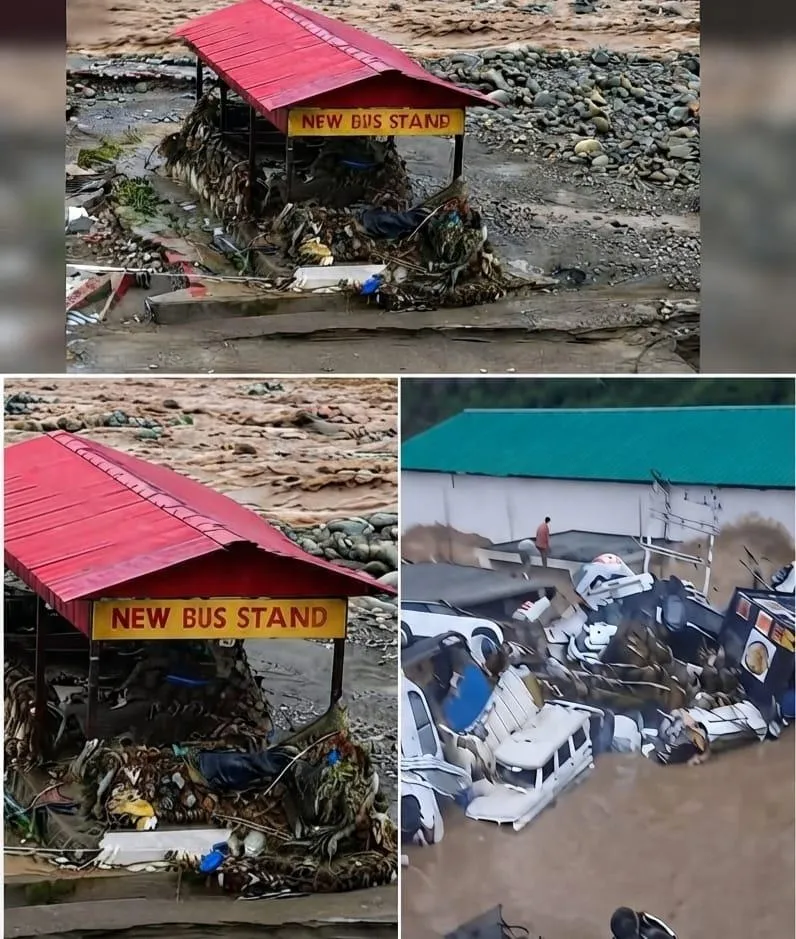
To see how this happened, we have to look back to January 2018. That winter, the government brought bulldozers down to the Darhali riverbank and tore down over thirty small shops and modest homes. Officials told everyone that the riverbed belongs to the river, and that building on a water channel was dangerous. The families whose shops were crushed accepted it, packed up, and moved away.That is why what happened next hurts so much. Not long after clearing those small shopkeepers, the very same administration went ahead and built the town’s new public bus stand on that exact same spot.
Think about what that teaches a daily-wage worker or an auto driver. When a poor family builds a tiny shelter on dry river land to make a living, it is called an illegal construction and flattened. But when the government pours tons of concrete on the same riverbed to build a bus stand, it is called town development. By putting a major bus terminal right in the path of the river, authorities sent a quiet signal that the land was finally safe. Small tea sellers and street vendors spent every bit of money they had often borrowed to set up shop around it. They trusted that if the government built there, they would be fine. On July 19, that trust dissolved in a matter of minutes.
This points to a sad truth about how our mountain towns grow. Safe, high ground is expensive, so it goes to the wealthy, big businesses, and government offices. Working-class families and migrants are quietly pushed to the places no one else wants steep, sliding hillsides and low-lying riverbanks. The families who fled into the dark near Abdullah Bridge did not live by the water because they were careless. They lived there because when safe housing costs more than you earn, the riverbank is all you can afford.
Yet, building along a riverbank does not happen in a vacuum. Every wall built on a flood path required either an official sanction or a turned blind eye. Municipal authorities and planning boards cannot escape accountability here. When local bodies issue building permits, approve utility connections, or simply ignore risky construction on active water channels (Gair Mumkin Rohar), they become direct partners in the hazard. Urban governance cannot just be about collecting revenues or issuing permits it carries a moral duty to protect citizens from predictable disasters. When the floodwaters recede, the hardship does not end it just changes shape. A well-to-do business owner faces a terrible setback, but they usually have savings or insurance to fall back on. But for a vendor whose only cart was buried under feet of mud at the bus stand, the flood marks the start of a long, painful cycle of debt just to buy food for the week.
The rescue teams, local police, and brave neighbours saved many lives, but people need emergency help right now. Handing out blankets and small relief checks every time it rains is like putting a band-aid on a broken bone. If we want to protect people, we have to change how we treat both our land and our neighbours.
We need to leave natural river paths completely alone, holding government projects to the exact same rules enforced on ordinary citizens. We need to hold licensing authorities strictly accountable for every permission granted on hazard lines. We need to treat safe housing for working families as a basic necessity, not something left to chance. And above all, we need to listen to the long memory of the land itself. Rivers do not flood out of anger. The Darhali was simply reclaiming its ancient path. Until we accept that nature cannot be fooled, every heavy downpour will continue to turn human neglect into heartbreaking loss.
Sohrab Sharma is a Doctoral Candidate in the Department of Sociology at Hemvati Nandan Bahuguna Garhwal University (Central University), Uttarakhand. For correspondence, he can be contacted at sohrab.9645@gmail.com. The views expressed are personal.